New patient? Have questions? We’re here to help: (314) 329-4326

Navigating the Unknown: A Practical Guide to Coping with Major Life Changes
Understanding the Psychology of Transition, Building Emotional Resilience, and Finding Support During Times of Growth and Loss
Change is an inevitable force in human existence. Whether expected—such as a career promotion, marriage, or moving to a new city—or unexpected—such as the sudden loss of a loved one, a layoff, or an unplanned divorce—major life changes disrupt the predictable rhythms of daily living. While some transitions bring joy and growth, even positive shifts can trigger profound stress, anxiety, and a feeling of disorientation.
Navigating major life transitions requires intentional effort, emotional processing, and a willingness to adapt. Understanding how transition affects the human mind and body equips individuals with the tools required to build resilience, restore balance, and move forward with purpose.
The Psychological Mechanics of Transition
Life transitions do not occur in a vacuum; they involve psychological processes that unfold over time. Renowned organizational consultant William Bridges distinguished between an event (the external change) and a transition (the internal psychological reorientation required to adapt to the change). While an event happens instantly, a transition takes time and generally follows three distinct phases:
- The Ending: Every new beginning requires something else to end. This phase involves letting go of old identities, routines, or environments. Acknowledging grief and loss during this period is essential, even if the change is positive.
- The Neutral Zone: This is the bridge between the old reality and the new one. It often feels uncomfortable, ambiguous, and chaotic. However, the neutral zone is also where true transformation and creativity occur.
- The New Beginning: In this final phase, individuals establish new routines, adopt fresh identities, and regain a sense of control and stability.
Understanding this trajectory helps demystify the discomfort that accompanies major shifts. Feeling lost during a transition is not a sign of failure; it is a natural feature of the psychological adaptation process.
Quantifying the Impact: The Stress of Change
To understand why major transitions feel so heavy, it helps to examine research on human stress levels. The mind craves predictability, and when familiar structures shift, the nervous system registers uncertainty as a potential threat.
Key Numerical Statistics on Life Transitions and Mental Health
- 80% Increased Risk of Illness: According to the landmark Holmes and Rahe Stress Scale, life changes are directly correlated with physical and mental health breakdowns. The scale assigns numeric stress points to major life events—such as the death of a spouse (100 units), divorce (73 units), or changing careers (36 units). Research indicates that individuals accumulating over 300 life change units within a single year face an 80% statistical probability of experiencing a major physical or mental health illness.
- 63% of Adults Experience Impairing Stress: Reports from the American Psychological Association (APA) reveal that approximately 63% of adults state that major life changes cause significant stress that directly impairs their daily decision-making and functioning.
- 70% Reduction in Symptoms with Professional Therapy: Clinical studies focusing on transitional anxiety demonstrate that engaging in structured professional counseling during major life events reduces symptoms of transition-related anxiety and depression by up to 70% compared to navigating transitions without therapeutic support.
These statistics underscore a crucial truth: the stress generated by life transitions is a real, measurable physiological and psychological phenomenon that deserves proactive care and attention.
Common Life Transitions and Their Challenges
Major changes present unique emotional demands depending on the circumstances involved:
Career and Financial Shifts
Starting a new job, entering retirement, or coping with job loss forces a re-evaluation of personal identity, professional worth, and financial security. The shift from a familiar workplace culture to an unknown environment can temporarily destabilize self-esteem.
Relationship and Family Status Changes
Marriage, divorce, welcoming a child, or adjusting to an empty nest alters core social structures. Relational transitions require re-negotiating boundaries, communication habits, and daily responsibilities.
Geographic Relocation
Moving to a new city or neighborhood disconnects individuals from established social support networks, medical providers, and familiar surroundings, often creating a sense of isolation while adjusting to a new environment.
Health and Aging Adjustments
Receiving a medical diagnosis or adjusting to the physical realities of aging requires fundamental shifts in lifestyle, daily habits, and long-term expectations.
Adaptive vs. Unhelpful Coping Strategies
When faced with upheaval, individuals naturally seek ways to soothe distress. However, not all coping mechanisms yield long-term stability.
See Graph at Bottom:
Evidence-Based Strategies for Managing Major Life Changes
Coping effectively with major life shifts involves building resilience across emotional, mental, and physical domains. The following evidence-based practices help anchor individuals during times of transition:
1. Practice Radical Acceptance
Resistance to change prolongs emotional suffering. Radical acceptance does not mean approving of a difficult situation; rather, it means acknowledging reality as it is without fighting it. Reminding yourself, "This is where I am right now, and I can handle one step at a time," reduces emotional reactivity and frees up mental energy for constructive problem-solving.
2. Control the Controllables
During periods of massive shift, large areas of life may feel out of control. Counteract this feeling by focusing on small, manageable elements within your immediate influence:
- Maintain a regular sleep and wake schedule.
- Plan simple, nutritious meals.
- Keep a tidy immediate living space.
- Set small, daily goals (e.g., taking a 15-minute walk or completing one errand).
Establishing small anchors creates a psychological sense of safety when surrounding circumstances feel uncertain.
3. Reframe the Narrative
Cognitive reframing involves changing how you view a situation. Instead of viewing a transition purely as a loss or a threat, attempt to identify potential avenues for growth, learning, or realignment. Ask yourself:
- What strengths am I developing through this experience?
- How can this shift align me closer with my personal values?
4. Honor the Grieving Process
It is common to mourn past routines, relationships, or roles—even when moving toward a positive goal. Granting yourself permission to feel sad, angry, or anxious prevents emotional bottling and promotes authentic healing.
5. Build and Maintain Support Networks
Isolation magnifies stress. Sharing your experiences with trusted friends, family members, or peer support groups provides validation and practical perspective.
When to Seek Professional Support
While self-help strategies are valuable, major life changes can sometimes overwhelm a person's existing coping capacity. Professional therapy provides a dedicated space to process complex emotions, develop personalized coping mechanisms, and restore clarity.
Signs that it may be time to consult a mental health professional include:
- Persistent feelings of overwhelm, hopelessness, or anxiety that do not abate over time.
- Difficulty performing basic daily routines, work duties, or personal care.
- Withdrawal from loved ones and social activities.
- Sleep disturbances or significant changes in appetite.
Therapeutic modalities such as Cognitive Behavioral Therapy (CBT), Acceptance and Commitment Therapy (ACT), and Mindfulness-Based Approaches are exceptionally effective in helping individuals navigate major transitions with confidence.
Find Your Anchor: Support at Open Arms Wellness
Navigating major life shifts requires compassionate care tailored to your unique journey. If you or a loved one are feeling overwhelmed by a recent life transition, expert guidance is available close to home.
Open Arms Wellness provides comprehensive, compassionate counseling and psychiatric services for children, teens, adults, couples, and families across the St. Louis metropolitan area. Their team of experienced therapists specializes in helping individuals navigate anxiety, depression, relationship adjustments, grief, and complex life transitions.
With two accessible West County locations—at 8949 Manchester Road in Brentwood, MO and 13975 Manchester Road (Suite 3) in Ballwin, MO—Open Arms Wellness delivers personalized in-person care as well as flexible virtual telehealth therapy options throughout Missouri.
Take the Next Step Today
You do not have to navigate major life changes alone. Take control of your well-being and partner with a therapist who understands your needs. Embrace change as an opportunity for growth, healing, and renewed strength with the support of dedicated professionals by your side.
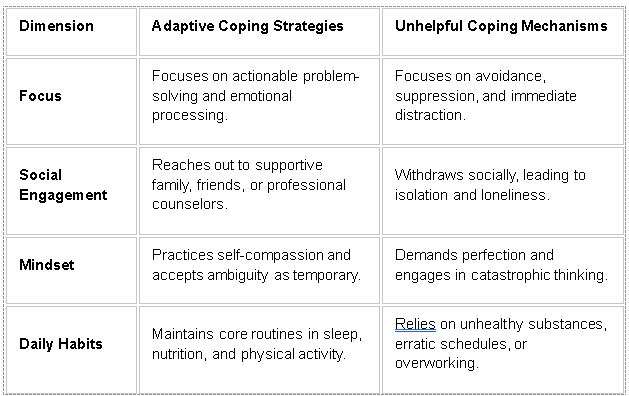
life-changes-graph.jpg